
The value
A range, not a single number, because no two sales are identical. It is built from what similar homes nearby actually sold for.
Dubai property, valued from the public record
Cartiq gives every property an estimated value, tells you how sure we are, and gives you a plain signal: buy, hold or sell. All of it comes from the government’s own record of what homes actually sold for.
Example figures, not a live valuation.
Two-bedroom apartment, Dubai Marina, 12th floor, 1,180 sq ft
The asking price, AED 2.25 million, sits inside the range.
Based on 38 recorded sales, January to August 2026.
One-bedroom apartment, Downtown Dubai, 780 sq ft
The asking price, AED 1.5 million, is below what similar homes sold for.
Based on 21 recorded sales, February to August 2026.
Four-bedroom villa, Arabian Ranches, 3,400 sq ft
Recent sales nearby run well above the AED 3.9 million this villa was bought for in 2023.
Based on 14 recorded sales, January to August 2026.
Two-bedroom apartment, new tower, Dubai Creek Harbour, 1,050 sq ft
Only 4 sales in this building are on the record so far. We need more before we can be sure, so we say so instead of guessing.
4 recorded sales, March to August 2026.
01 / The problem
Listings show what sellers hope to get. Brokers give opinions. Neither tells you what a home like this one actually sold for last month, a few floors down.
Cartiq starts from that record, not from the asking price. So when you negotiate, you negotiate from evidence.
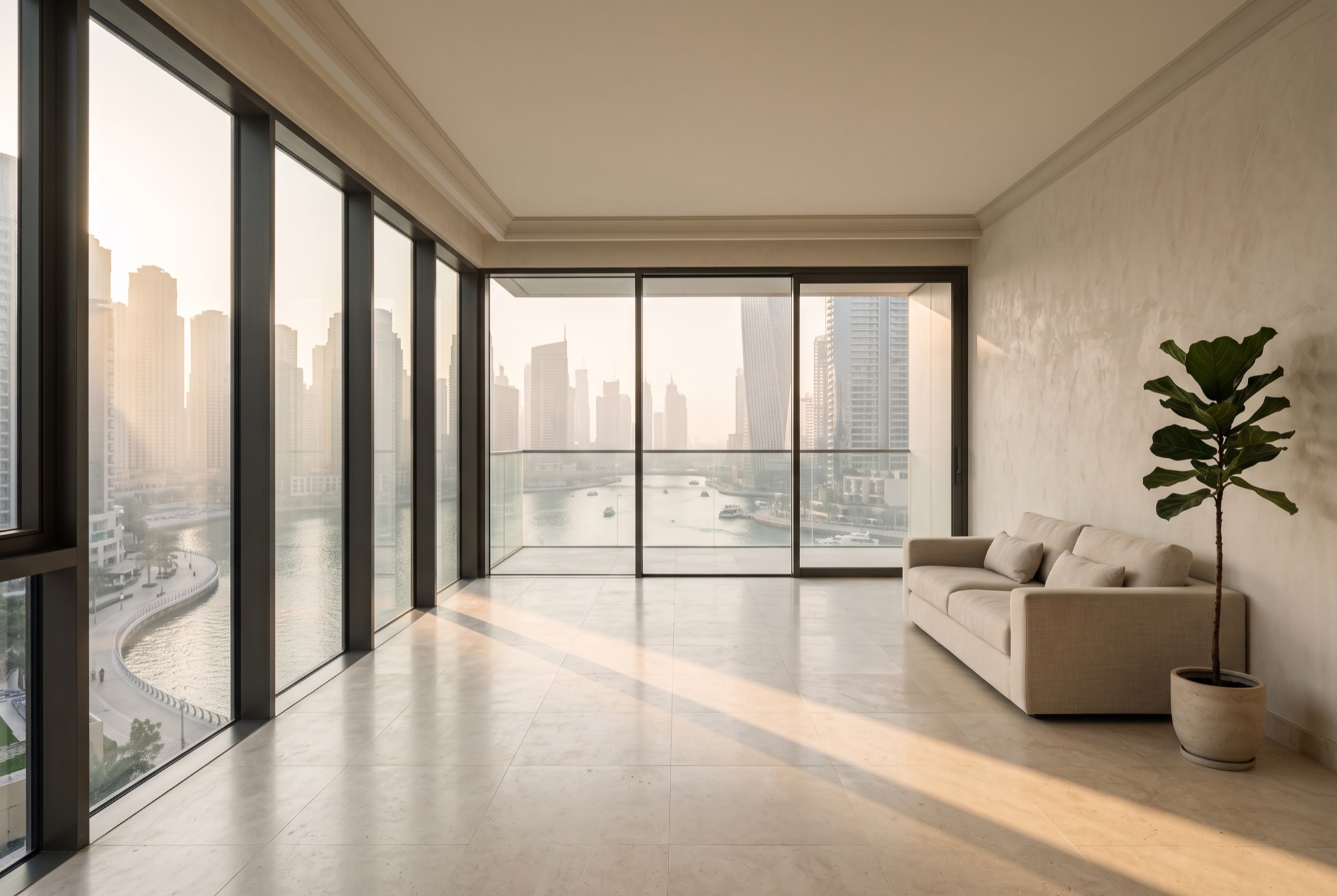
Illustration: a residential tower at dusk. Its lit windows stand for homes that sold on the public record, and the sales most like yours line up as a ledger beside the tower.
02 / How we get to the number
Say you are looking at an apartment on the 12th floor, and you want to know what it is really worth.
The lit windows are the homes in this building that sold in the last year. Each one is written into the public record, with the price actually paid.
The Dubai Land Department is the government office that registers every property sale in the city.Its date, its size and the price paid. Cartiq keeps the sales most like your apartment: a similar size, a similar floor, sold recently.
Similar homes sold inside a band of prices. That band is your estimate. Many recent, similar sales make it tight and our confidence high. Few or old ones make it wide and our confidence low.
| Sold | Floor | Size, sq ft | Price paid, AED |
|---|---|---|---|
| 14 May 2026 | 12 | 1,180 | 2,150,000 |
| 3 June 2026 | 9 | 1,165 | 2,090,000 |
| 22 February 2026 | 15 | 1,210 | 2,260,000 |
| 8 August 2026 | 11 | 1,180 | 2,240,000 |
| 27 March 2026 | 18 | 1,190 | 2,310,000 |
| 11 January 2026 | 7 | 1,150 | 2,020,000 |
| 19 July 2026 | 14 | 1,200 | 2,190,000 |
| 5 April 2026 | 10 | 1,175 | 2,120,000 |
Registered with the Dubai Land Department. Example rows, for illustration.
The result for this apartment, an example
The asking price sits inside the range.
03 / How sure we are
More recent sales of similar homes make the range tighter and our confidence higher. Few or old sales make it wider and our confidence lower. When the record is too thin, we do not guess. We say: no signal yet.
Example figures. The real score also weighs how similar and how recent each sale is.
04 / What you get
A range, not a single number, because no two sales are identical. It is built from what similar homes nearby actually sold for.
A score from 0 to 100 and a word: low, medium or high. It rises with the number, the similarity and the freshness of the sales behind it.
Buy, hold or sell, in plain words, with the reason beside it. And when we cannot be sure, no signal at all.
Every signal carries its word and its reason. Colour never carries the meaning alone.
05 / Why you can trust it
Every estimate opens to the recorded sales behind it: date, size and price paid, straight from the Dubai Land Department record.
The confidence score sits beside every value. Never hidden, never rounded up.
Too few sales means no signal. We would rather withhold a verdict than invent one.
The government office that registers every property sale in Dubai. When a home changes hands, the price paid is written into its record.
06 / Behind the front door
Once you are in, the same recorded sales sit behind everything you own and everything on offer.
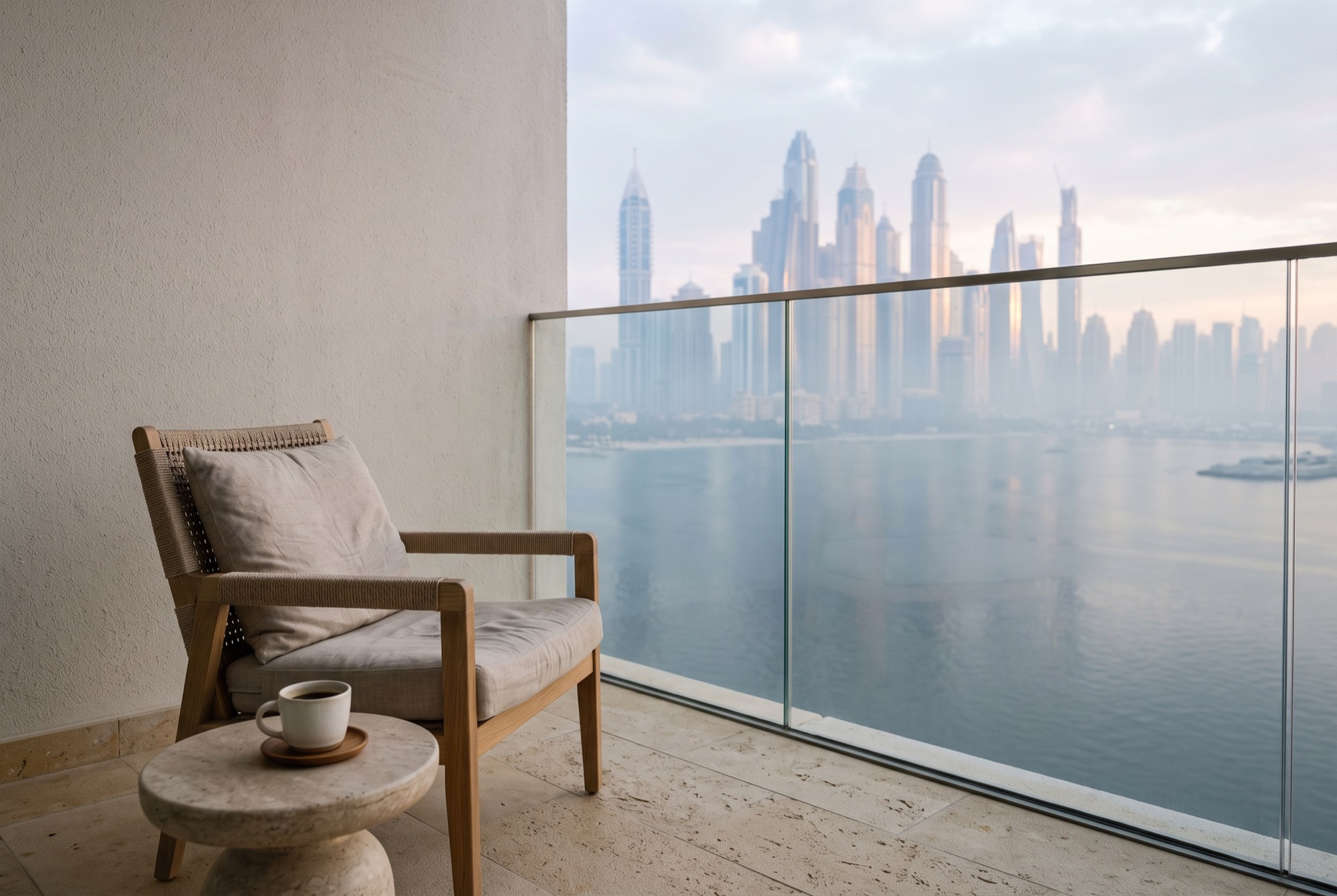
The properties you own, each with its current estimate, its confidence and its signal, updated as new sales are recorded.
Properties on offer, each shown against the record, so you can see how the asking price compares with what similar homes sold for.
Questions
Yes. Foreign buyers can own property outright in Dubai’s designated freehold areas. Cartiq shows you the record before you commit, wherever you are.
That too few similar homes have sold recently for us to be sure. We withhold the signal rather than guess, and we tell you what would change it.
From the Dubai Land Department’s record of registered sales. Every estimate shows the date range of the sales behind it.
No. An estimate is a starting point built from the public record, not a promise of any price or return. The decision stays yours.
Your turn
Illustrative photograph. No real listing is shown.